
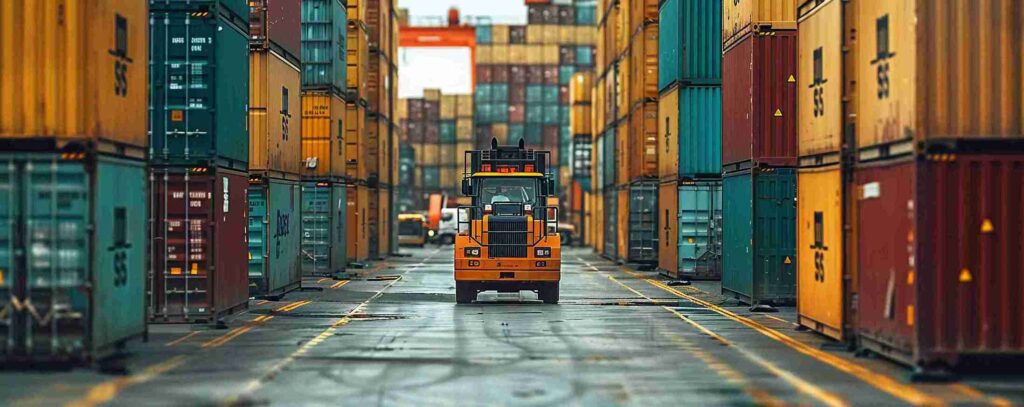
Documents Required for Customs Clearance in India
Customs clearance in India requires proper documentation to ensure smooth import and export of goods. Submitting the correct documents helps avoid delays, penalties, and unnecessary inspections. This guide explains the documents required for customs clearance in India for both import and export shipments.
What is Customs Clearance?
Customs clearance is the process of obtaining approval from Indian Customs authorities for goods before they are imported into or exported out of the country. This process is usually handled by a Customs House Agent (CHA) on behalf of the importer or exporter.
Documents Required for Import Customs Clearance in India
For import clearance, the following documents are generally required:
1. Import Export Code (IEC)
IEC is a mandatory registration issued by DGFT for any business involved in import or export in India.
2. Commercial Invoice
Issued by the foreign supplier, the commercial invoice contains details such as value of goods, seller, buyer, and payment terms.
3. Packing List
Provides detailed information about the contents of the shipment, including number of packages, weight, and dimensions.
4. Bill of Lading / Airway Bill
This is the transport document issued by the shipping line or airline as proof of shipment.
5. Bill of Entry
A legal document filed with Indian Customs for clearance of imported goods.
6. Country of Origin Certificate
Certifies the country where the goods were manufactured and may be required for duty benefits.
7. Insurance Certificate
Shows that the goods are insured during transit, if applicable.
Documents Required for Export Customs Clearance in India
For export shipments, the following documents are required:
1. Import Export Code (IEC)
Mandatory for exporters as well.
2. Commercial Invoice
Issued by the exporter to the overseas buyer with complete product and pricing details.
3. Packing List
Details the packaging information of exported goods.
4. Shipping Bill
The main document required for export customs clearance, filed with Indian Customs.
5. Bill of Lading / Airway Bill
Issued after goods are handed over to the carrier.
6. GST Invoice (if applicable)
Required for GST compliance and export benefits.
Additional Documents (If Applicable)
Depending on the nature of goods, the following documents may also be required:
Import License
FSSAI Certificate
Drug License
BIS Certificate
Test Report
AD Code Registration
Letter of Credit (LC)
Why Proper Documentation is Important?
Having the correct documents helps in:
Faster customs clearance
Avoiding penalties and demurrage
Correct duty calculation
Smooth coordination with customs authorities
Role of a Customs House Agent (CHA)
A Customs House Agent assists importers and exporters in preparing, filing, and submitting all required customs documents. An experienced CHA ensures compliance with Indian customs laws and helps clear shipments efficiently.
FAQs – Documents Required for Customs Clearance
Is IEC mandatory for customs clearance?
Yes, IEC is mandatory for most import and export transactions in India.
Can customs clearance be done without a CHA?
Yes, but using a CHA makes the process faster and more compliant.
How long does customs clearance take?
It usually takes 1–3 working days if documents are complete and correct.
Conclusion
Understanding the documents required for customs clearance in India is essential for smooth import-export operations. Proper documentation reduces delays and ensures compliance with customs regulations. Working with an experienced CHA can make the entire process hassle-free.